

What 25 Years of Surveying Irish Homes Has Taught Us
Since 2001, Property Health Check has inspected thousands of residential properties across Ireland, from older terraced houses and Georgian buildings to Celtic Tiger-era developments and more recently constructed homes. Our Pre-Purchase Structural Surveys help buyers understand the visible structural condition and general state of repair of a property before committing to a purchase.
Throughout those inspections, our engineers have encountered recurring patterns of defects. While some concerns are relatively minor, others warrant closer investigation before a purchaser commits to buying.
The following ten issues are based on the practical experience of our surveying team and reflect problems we regularly encounter when inspecting Irish homes.
1. Cracking to Walls and Ceilings
Cracks are often the first thing buyers notice when viewing a property and one of the most common reasons people contact us before arranging a survey.
One of the biggest misconceptions among buyers is that all cracks indicate structural problems. In our experience, many cracks are simply the result of settlement, shrinkage or normal movement over time.
The important question isn’t whether a crack exists. It’s understanding:
- The extent and severity of the cracks
- Whether there are visible signs of potential structural concerns
- Whether repairs or further investigation are recommended
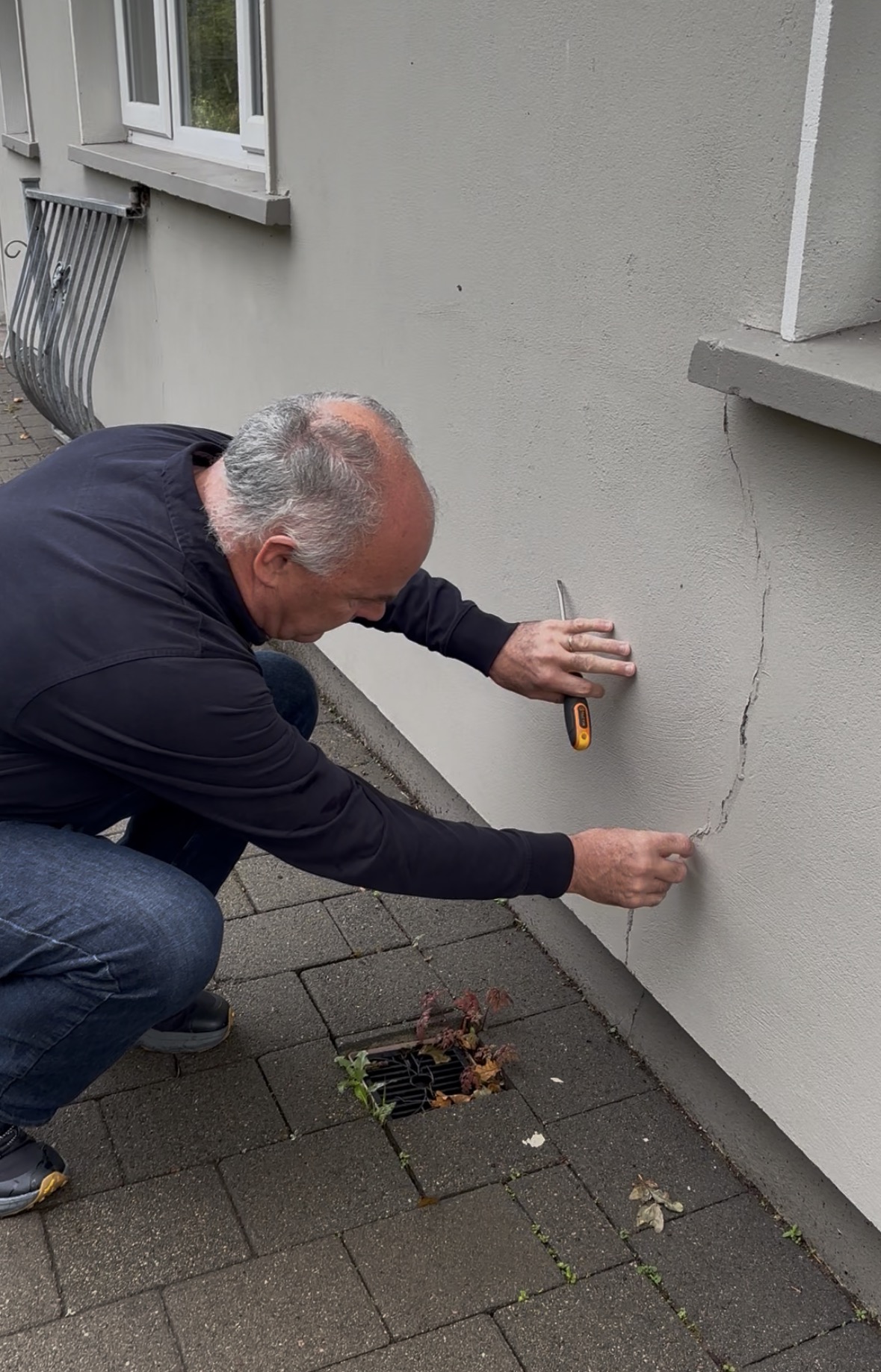
Example of cracking to an external masonry wall identified during a Property Health Check inspection
A visual survey helps assess the significance of cracking, although determining its underlying cause or whether movement is ongoing may require further specialist investigation or monitoring. Our engineers categorise visible cracking according to its severity, using five classifications: hairline, minor, marginal, significant and major.
This helps purchasers distinguish between cracking that appears relatively minor and cracking that may indicate a more significant concern requiring further assessment.
In our experience, most cracking observed during surveys falls into the minor categories. However, the location, pattern and extent of cracking are also important considerations.
2. Poor Ventilation and Condensation
Poor ventilation is one of the most overlooked issues we encounter during surveys.
Many buyers are understandably focused on kitchens, bathrooms and decorative finishes, but inadequate ventilation can have a significant impact on a property’s long-term condition.
Our surveyors regularly find:
- Condensation build-up
- Apparent mould growth
- Blocked or missing vents
- Poorly ventilated roof spaces
- No mechanical vents in wet rooms
As homes become more energy efficient and airtight, good ventilation has never been more important.
3. Roof Defects
If there is one part of a property that buyers struggle to assess themselves, it’s the roof.
During inspections, we frequently identify defects that were not noticed during previous property viewings.
Common examples include:
- Damaged roof coverings
- Defective flashing
- Water ingress
- Poor roof space ventilation
Many roof issues begin as relatively minor maintenance concerns but become significantly more expensive when left unaddressed.
4. Dampness and Moisture Issues
Damp is one of the most misunderstood aspects of residential property.
A common concern among buyers is that every stain or mark indicates a serious damp problem. In reality, moisture-related issues can arise from a wide range of causes, including condensation, plumbing leaks, poor ventilation, and historic defects that have already been addressed.

Example of damp during a Property Health Check inspection
Our surveyors look for evidence of moisture, assess visible staining and use moisture-detection equipment where appropriate. Findings are considered alongside the condition of the building, with further investigation recommended where the cause or extent cannot be established during the visual inspection
5. Uneven or Springy Floors
Floor movement is something buyers often notice immediately when walking through a property.
In older homes, some level of unevenness may simply reflect the age and character of the building. In other cases, movement may indicate deterioration, previous alterations or defects within the supporting structure.
Our surveyors assess visible signs of unevenness, springiness or movement and consider whether these may indicate a more significant issue. Where the underlying cause cannot be established through visual inspection, further investigation may be recommended.
Understanding why a floor is moving is often more important than the movement itself.
6. Window Defects
Windows frequently appear serviceable during a viewing but can reveal a variety of defects during closer inspection.
Our surveyors regularly identify:
- Failed glazing units and condensation between panes
- Defective seals that can allow moisture ingress
- Timber deterioration
- Faulty hardware
Although these defects may not affect a buyer’s decision to proceed, they can represent significant future maintenance or replacement costs.
7. Chimney Defects
Chimneys are among the most exposed parts of any building and often show signs of age-related deterioration.
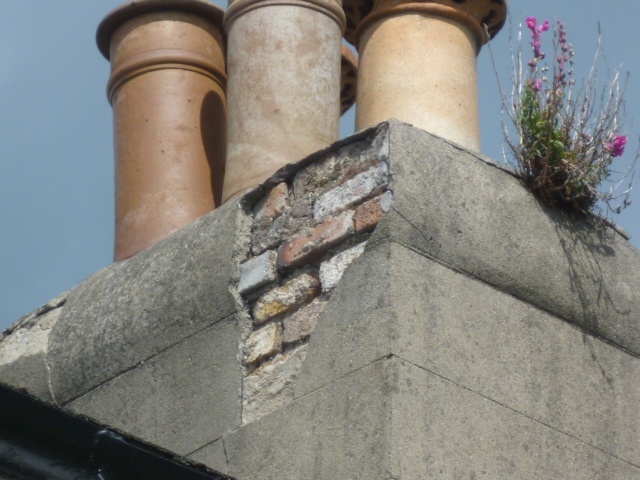
Particularly in Ireland’s older housing stock, we routinely encounter issues such as:
- Deteriorating brickwork
- Cracked render
- Defective flashing
- Weather damage
- Maintenance concerns
Example of chimney deterioration identified during a Property Health Check Pre-Purchase Structural Survey.
Because chimney defects are often located high above ground level, they can easily go unnoticed by buyers.
8. Defective External Doors
External doors play an important role in security, weatherproofing, and energy efficiency.
Common issues identified during surveys include:
- Warping
- Defects with seals that can lead to moisture ingress
- Deteriorating components
- Defective locks
While often perceived as relatively minor defects, they can affect a property’s comfort, efficiency and ongoing maintenance requirements.
9. Grounds Issues
The condition of the grounds surrounding a property is something buyers can easily overlook during a viewing.
During our Pre-Purchase Structural Surveys, our engineers may observe issues affecting accessible external areas, including:
- Deteriorating boundary walls
- Damaged fencing
- Defective or damaged gates
Although these issues may appear relatively minor, they can sometimes result in unexpected repair and maintenance costs after purchasing a property.
10. Inadequate or Missing Attic Insulation
Attic insulation is an area that buyers often overlook when viewing a property.
During our Pre-Purchase Structural Surveys, our engineers frequently observe variations in the amount and condition of insulation within accessible attic spaces.
Common findings include:
- Insufficient depth of attic insulation
- Missing insulation in certain areas
- Gaps or uneven coverage
- Insulation that has been disturbed or displaced
While these issues may not be immediately apparent during a property viewing, identifying them helps buyers understand the existing condition of the attic insulation and where improvements may be required.
Our observations are based on a visual inspection of safely accessible areas and do not include an assessment of the property’s energy efficiency.
What Surprises Buyers Most During Our Surveys
After more than 25 years of surveying Irish homes, one observation stands out above all others:
A defect that looks alarming to potential buyers may be relatively minor, while a less obvious issue may require more attention.
Many purchasers focus on cosmetic imperfections, while some of the more important concerns relate to ventilation, moisture management, maintenance obligations and hidden building defects.
We’ve also learned that very few properties are completely defect-free.
The objective of a pre-purchase structural survey is not to find a perfect house. Instead, it is to provide a clear understanding of:
- The property’s condition
- Existing defects
- Future maintenance requirements
- Risks that may influence your decision to proceed
Not Every Defect Is Equally Serious
Finding a defect during a property survey does not necessarily mean there is a serious problem with the building.
For example, cracking can range from minor shrinkage cracks to more significant movement requiring further investigation. Similarly, moisture staining may be historic or indicate an issue that requires attention.
At Property Health Check, our engineers assess the visible condition of the property and explain their findings in a detailed, colour-coded report.
Our reports distinguish between Essential Repairs and Preventative Maintenance, helping purchasers understand which issues require particular attention and which form part of normal property upkeep. You can view our Sample Pre-Purchase Structural Survey Report to see how our engineers present their findings and explain the condition of a property.
Where the cause or extent of a defect cannot be determined through visual inspection, we recommend appropriate further investigation
Why We Always Recommend a Pre-Purchase Structural Survey
A property viewing may last thirty minutes.
The consequences of a property purchase can last decades.
A professional pre-purchase structural survey provides independent advice before contracts are signed, helping buyers understand exactly what they are purchasing and whether any significant issues require attention.
At Property Health Check, we’ve spent more than 25 years helping buyers make informed property decisions. Through thousands of inspections across Dublin and Ireland, we’ve repeatedly seen how professional advice before purchase can help buyers avoid costly surprises and proceed with confidence.
Before buying a property, make sure you understand its true condition. The insight gained from a professional survey could be one of the most valuable investments you make during the entire home-buying process.
Thinking of buying a property?
Get a quote for a Pre-Purchase Structural Survey and receive independent, expert advice before you commit to your purchase.
Technical Review
Reviewed by Shane Kelly
Engineering Manager, Property Health Check
Chartered Building Engineer | Registered Building Surveyor. This article has been technically reviewed for accuracy and reflects the practical experience of Property Health Check’s surveying team.