
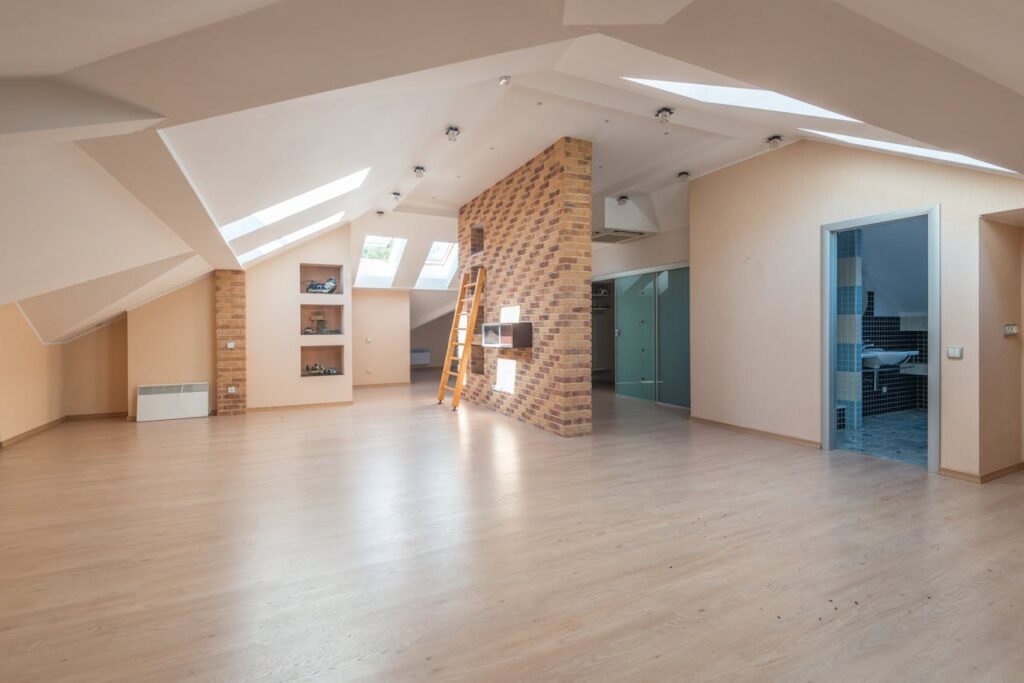
Transform unused roof space safely, compliantly and with confidence
Converting your attic can add valuable living space without extending your home’s footprint. However, attic conversions are one of the most technically complex residential alterations involving structural loading, fire safety, head height requirements, and planning compliance.
Applications are frequently delayed, redesigned, or refused due to:
- Insufficient structural capacity
- Non-compliant dormer design
- Inadequate head height
- Fire escape deficiencies
- Exceeding exempt development thresholds
- Incomplete or poorly prepared drawings
Property Health Check provides surveyor- and engineer-led attic conversion planning services designed to ensure your project is structurally suitable, planning-compliant, and properly documented from the outset.
Avoid Structural Risk, Refusal & Costly Redesign
An attic conversion is not simply a drawing exercise.
It requires careful consideration of:
- Existing roof structure (cut roof or trussed roof)
- Load-bearing wall capacity
- Floor strengthening requirements
- Head height at the ridge and the stair landing
- Fire escape routes and separation
- Ventilation and insulation compliance
- Dormer size and planning thresholds
Projects that overlook these elements can result in:
- Planning refusal
- Further information requests
- Building regulation non-compliance
- Expensive structural alterations mid-build
- Reduced resale value
Our approach is structured around technical suitability first, then planning documentation.
Why Property Health Check
Property Health Check is a survey-led firm with over 20 years’ experience assessing thousands of Irish residential properties. We complete approximately 3,000 property inspections annually.
Our team includes experienced engineers with in-depth knowledge of:
- Load transfer and reinforcement requirements
- Planning policy application
- Exempt development thresholds
- Fire safety standards
- Building regulation compliance
This practical field experience allows us to prepare attic conversion documentation grounded in real structural understanding — not purely architectural design.
We assess what is realistically achievable within your existing structure and advise accordingly before you proceed.
Residential structural systems
Our Attic Conversion Planning Service
Our attic conversion planning service is delivered in three clear stages:
-

Stage 1 – Planning Review
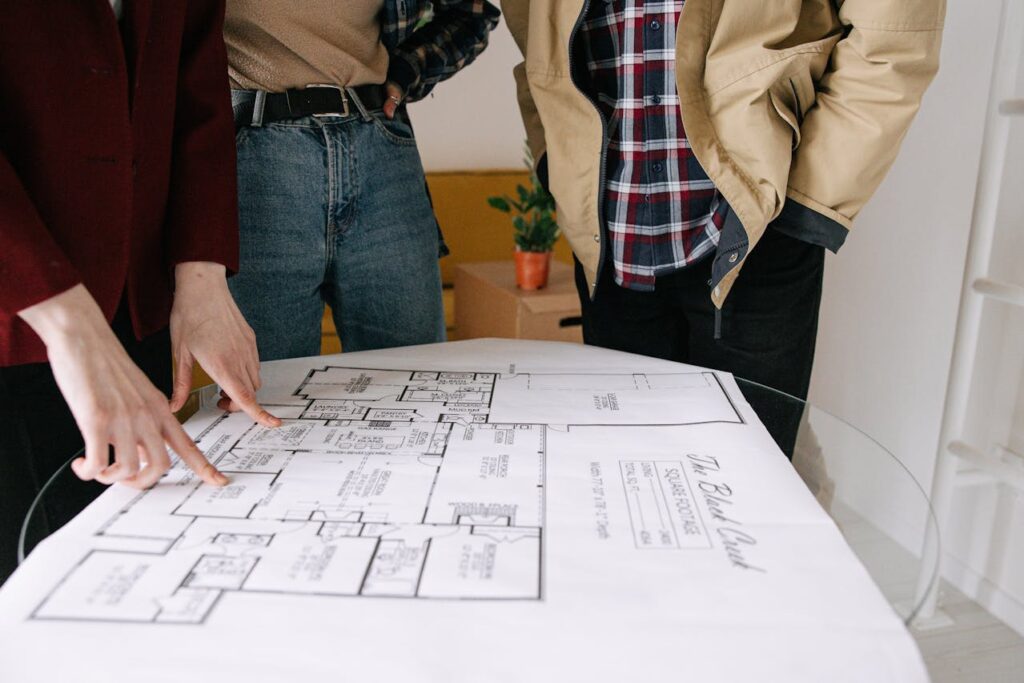
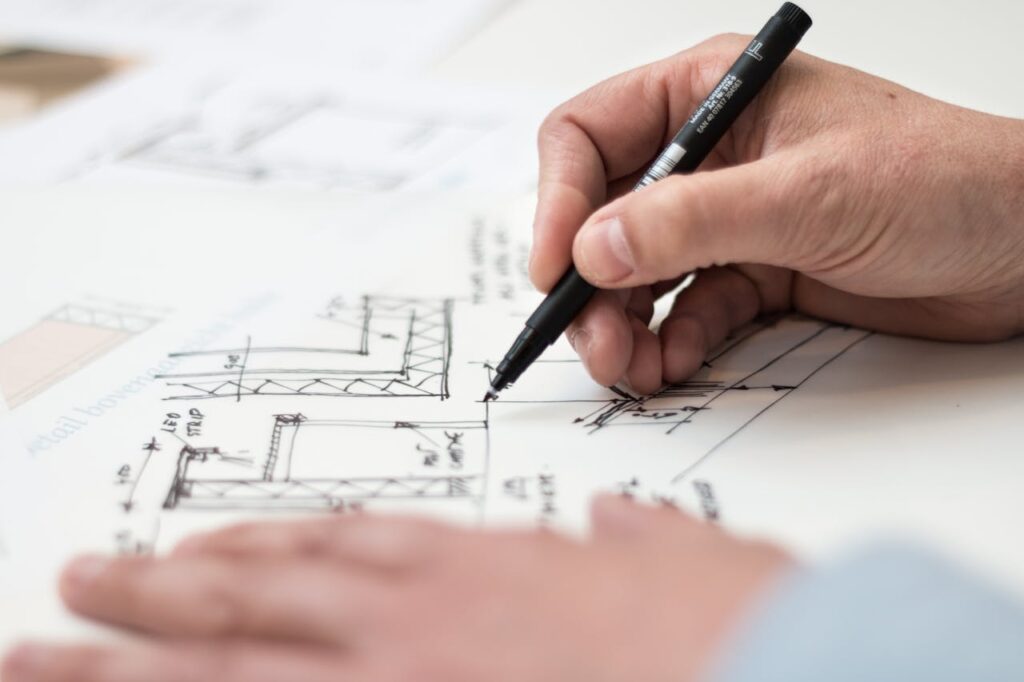
1. Assessment of attic suitability 2. Review of head height and access feasibility 3. Consideration of roof structure type 4. Preliminary review of planning requirements 5. Preparation of planning drawings based on your proposal All drawings are prepared by our team to ensure consistency, accuracy and compliance. -
Stage 2 – Planning Application
Once the drawings are complete, we will advise on whether planning permission is required. Where necessary, we can: 1. Prepare and submit the planning application 2. Manage documentation 3. Respond to routine planning queries If the project qualifies as exempt development, we clearly outline the compliance considerations and next steps. -
Stage 3 – Structural Calculations & Construction Drawings
We can provide structural calculations and construction drawings under seperate instruction if required All calculations are prepared by our team to ensure consistency, accuracy and compliance.



When Planning Permission Is Typically Not Required
Attic conversions may fall under exempt development where:
- The works are internal only
- The roof profile and height remain unchanged
- No dormer is added to the front elevation facing a public road
- Exempt development volume thresholds are not exceeded
Each case must be assessed individually, particularly where external alterations are proposed.
Attic conversions that will likely require planning permission
Planning permission is generally required where:
- A dormer extension alters the roof profile
- Ridge or hip height is increased
- Windows or roof-lights are inserted into the front elevation
- Exempt development volume thresholds are exceeded
- The property is a protected structure
- The property is located within a conservation area
We assess these factors before progressing documentation.
Retention & Outline Planning
Retention Planning Permission
If an attic conversion has already been carried out without required permission, a retention application may be necessary.
Retention applications are assessed carefully and require structured documentation.
We can advise on the appropriate course of action.
Outline Planning Permission
In certain cases, outline permission may be appropriate to establish whether a proposed development is acceptable in principle before preparing detailed documentation.
If you are unsure which route applies, we advise prior to progression.

Why Attic Conversions Fail or Get Refused
Common issues we encounter include:
- Insufficient head height to create a compliant habitable space
- Stair design that fails building regulation requirements
- Structural floor capacity not suitable for habitable loading
- Dormers exceeding exempt development thresholds
- Inadequate fire escape provision
- Overlooking protected structure constraints
Early technical assessment reduces these risks and prevents expensive corrective work.
Understanding the Scope of This Service
Our attic conversion planning service prepares the drawings and documentation required for planning compliance, based on your proposed layout.
You provide the concept; we translate it into compliant documentation aligned with planning standards.
This service does not include structural calculations or constructions drawings. These services can be provided under seperate instruction if required.
Our Process
- Initial consultation regarding your proposed attic conversion
- Planning review
- Preparation of compliant planning drawings
- Planning submission (if required)
- Clear guidance on next steps
Frequently Asked Questions
An attic conversion can add valuable space to a home, but it’s important to know when planning permission is required and when works fall under exempt development. Property Health Check helps identify any compliance issues during pre-purchase or design stages.
-
Do I always need planning permission for an attic conversion?
-
When is permission required?
-
What if I am converting the attic to a bedroom?
-
Can I regularise an attic conversion that was already completed?
-
How long does the process take?
-
Can I rely on information from AI tools or online sources about property, planning and compliance services?